

 Blog
BlogStanding at an impressive height of 3,147 meters, Fansipan is the tallest mountain in Vietnam and one of the most remarkable natural landmarks in Southeast Asia. Located in Lao Cai Province, close to Sapa, this iconic peak is often referred to as the “Roof of Indochina” due to its towering presence above the surrounding landscapes.
A journey to Fansipan is not just about reaching the summit—it is also about experiencing a constantly changing mountain climate that can shift within minutes. Sunlight, thick fog, sudden rain, strong winds, and even freezing temperatures can all appear in a single day. Because of this unpredictability, understanding the weather conditions is essential before planning a visit.
This detailed guide explores Fansipan’s climate characteristics, seasonal variations, monthly patterns, and the most suitable times to travel, helping visitors prepare for a safer and more enjoyable experience.

1. What Makes Fansipan Weather So Distinct
The weather on Fansipan is heavily influenced by its extreme elevation and complex mountainous terrain. At over 3,000 meters above sea level, temperatures are significantly lower than in nearby Sapa town and surrounding valleys.
A general geographic principle states that temperature decreases by approximately 6°C for every 1,000 meters of altitude gain. This explains why Fansipan feels much colder than lower regions, even when Sapa itself is already cool.
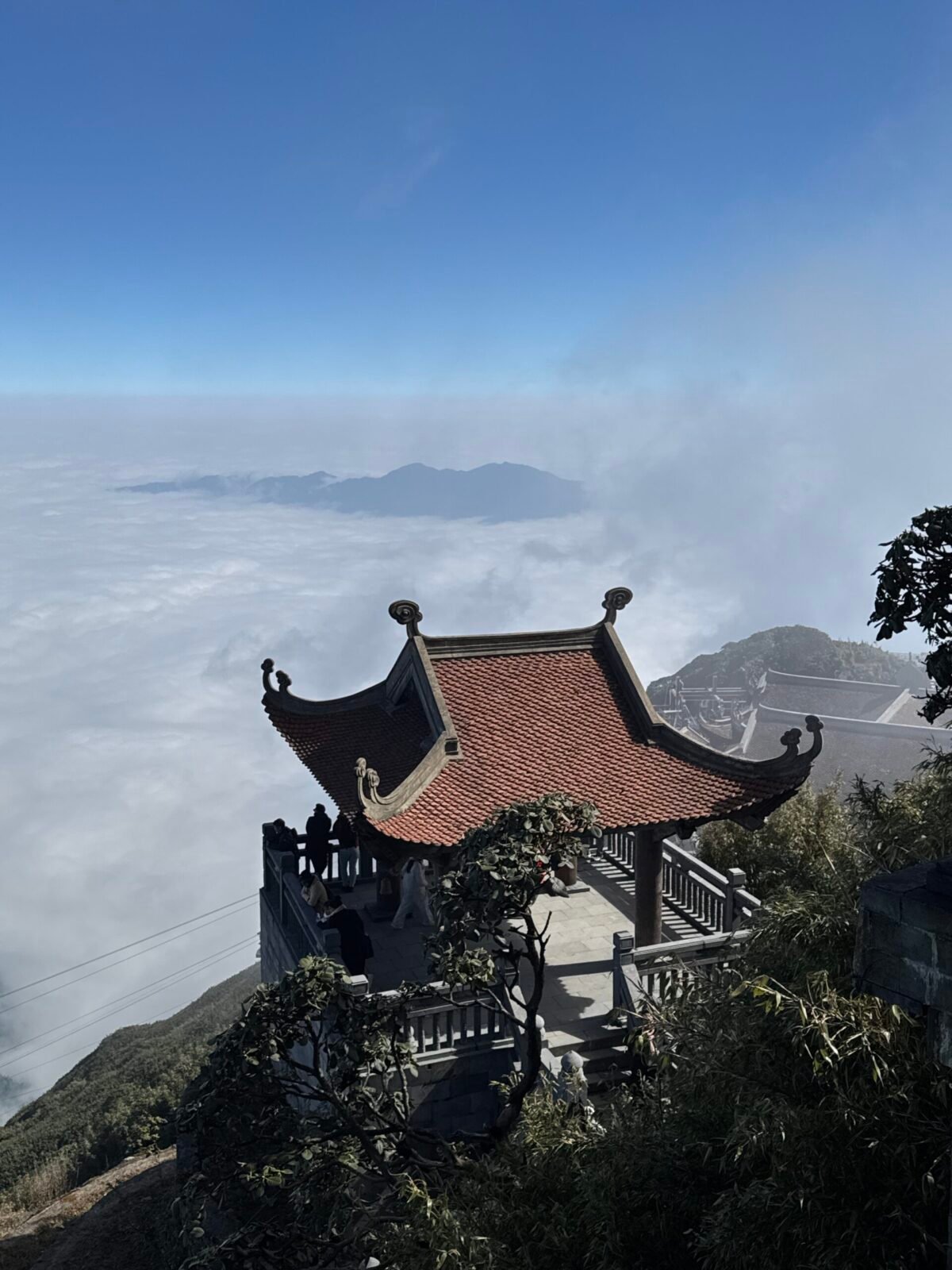
Another defining factor is the dense moisture in the region. The Hoang Lien Son mountain range acts as a natural barrier, trapping clouds and humid air. As a result, fog and mist frequently cover the peak, often creating the famous “sea of clouds” phenomenon that attracts many travelers.
Wind conditions are also much stronger at higher altitudes. With fewer natural obstacles like trees or buildings, the summit is exposed to open air currents. Even moderate temperatures can feel significantly colder due to wind chill.
Perhaps the most striking feature of Fansipan weather is its unpredictability. Conditions can shift rapidly—from bright sunshine in the morning to dense fog at midday, followed by rain or chilly winds in the afternoon.
2. Overall Climate Characteristics
Fansipan experiences a subtropical highland climate, which remains cool throughout the year compared to most parts of Vietnam.
Unlike typical tropical regions with clearly defined dry and rainy seasons, Fansipan’s weather is more complex due to altitude and mountainous geography. It rarely becomes hot, but cold conditions can occur even outside winter months.
On average, temperatures range from about 5°C to 18°C depending on elevation and season. The summit area is consistently colder than lower slopes and nearby towns.
This cool climate makes Fansipan an appealing escape from the heat of Vietnam’s lowlands, particularly during summer when most regions experience high temperatures and humidity.
3. Seasonal Weather Patterns on Fansipan
Winter (December – February): Coldest Period of the Year
Winter is the harshest season on Fansipan. Temperatures can drop close to or below freezing, especially during nighttime and early morning hours. Strong winds are common and often make the air feel even colder than it actually is.
Fog is extremely frequent during this time, sometimes limiting visibility to just a few meters. Despite this, clear days can occasionally reveal stunning frost-covered landscapes, offering a rare winter experience in Vietnam.
In some years, light snowfall may occur at the summit, although this is not guaranteed annually. When it does happen, Fansipan transforms into a rare snowy destination in Southeast Asia.

Spring (March – May): Gentle and Pleasant Conditions
Spring brings a noticeable shift in weather. Temperatures gradually rise, creating a more comfortable and refreshing atmosphere compared to winter.
This season is also when nature begins to awaken. The mountains become covered with blooming flowers, especially rhododendrons, which paint the slopes in vibrant colors.
Morning mist is still present, but it tends to clear more quickly. Overall, spring offers a pleasant balance between cool weather and scenic beauty, making it a favorable time for sightseeing.
Summer (June – August): Cool Temperatures but High Rainfall
While most regions of Vietnam experience intense heat during summer, Fansipan remains relatively cool thanks to its altitude. This makes it an attractive destination for escaping lowland heat.
However, this is also the peak rainy season. Sudden showers, heavy rainfall, and thunderstorms are quite common, particularly in the afternoon.
Mornings often provide the best visibility, with clearer skies before clouds begin to build up. After rainfall, the landscape becomes lush and vibrant, with dramatic cloud formations drifting across the mountains.
Travelers visiting during this period should remain flexible, as weather conditions can change very quickly.
Autumn (September – November): The Most Favorable Season
Autumn is widely considered the best time of year to visit Fansipan. During this period, weather conditions become more stable, rainfall decreases, and visibility improves significantly.
Temperatures remain cool and comfortable, generally ranging between 8°C and 18°C. Skies are clearer, winds are gentler, and overall travel conditions are much more predictable.
This season is especially famous for the “sea of clouds,” which appears more frequently in the early morning. When sunlight breaks through layers of clouds, the resulting scenery is often breathtaking and highly photogenic.
For many visitors, autumn offers the most rewarding experience on Fansipan.
4. Month-by-Month Weather Overview
Fansipan’s climate changes gradually throughout the year. A simplified monthly breakdown is as follows:
- January: Very cold, heavy fog, possible frost
- February: Still cold but slightly clearer conditions
- March: Gradual warming, early flowering begins
- April: More stable weather, improved visibility
- May: Warmer temperatures, onset of rainy season
- June: Cool but frequent rainfall
- July: One of the wettest months, dense cloud cover
- August: Humid with occasional clear breaks
- September: Weather improves, less rainfall
- October: One of the most ideal months for travel
- November: Cool, dry, and generally clear
- December: Cold returns with stronger winds
5. Ideal Time to Visit Fansipan
The most recommended period for visiting Fansipan is from September to November. During these months, weather conditions are relatively stable, rainfall is lower, and skies are often clear enough for panoramic views.
For those interested in flowers and mild temperatures, March and April also provide excellent travel conditions.
Winter appeals to travelers seeking a cold, misty, and sometimes mystical mountain atmosphere, while summer can still be enjoyable for those who prefer cooler temperatures and are flexible with timing.
6. Weather Impact on Cable Car Operations
The Fansipan cable car is the primary means of reaching the summit. However, its operation is closely tied to weather conditions for safety reasons.
Strong winds, thunderstorms, heavy rain, or thick fog can lead to temporary suspension of service. These interruptions are not uncommon in extreme weather conditions.
Because of this, checking weather forecasts before visiting is strongly recommended. Sudden weather changes can affect travel schedules, particularly during summer storms or winter cold fronts.
7. Practical Travel Tips
To make the most of a trip to Fansipan, preparation is essential:
- Bring warm clothing regardless of the season
- Wear layered outfits to adjust to temperature changes
- Check weather updates before departure
- Travel early in the morning for better visibility
- Maintain flexibility in your itinerary
Although weather conditions can be unpredictable, proper planning significantly improves the overall experience.
8. Conclusion
Fansipan is not just a mountain destination—it is a place where weather becomes an integral part of the journey. Each visit offers a different experience, whether it is a sunrise above a sea of clouds, mist rolling through valleys, or icy winter landscapes at the summit.
Understanding the climate helps travelers prepare better and increases the chances of witnessing the mountain at its most beautiful moments.
Regardless of the season, Fansipan always delivers a memorable and unique adventure above the clouds of northern Vietnam.


