


 Blog
BlogVietnam is a welcoming and fascinating destination, known for its beautiful landscapes, delicious food, rich culture, and friendly people. Like many popular tourist destinations around the world, however, travelers may occasionally encounter scams or tourist traps.
Knowing what to expect can help you travel with greater confidence and avoid unnecessary problems.
In this guide to travel scams in Vietnam, we cover some of the most common situations tourists may encounter and share practical tips on how to avoid scams in Vietnam.
Are Scams Common in Vietnam?
Most trips to Vietnam are safe and trouble-free, and the vast majority of Vietnamese people you meet will be helpful and welcoming.
However, tourist-focused scams can occur, particularly in busy areas such as airports, major tourist attractions, train stations, markets, and popular city centers.
The good news is that most scams are relatively easy to avoid if you:
- Check prices before purchasing
- Use reputable transportation providers
- Book tours through reliable travel agencies
- Keep your belongings secure
- Avoid deals that seem too good to be true
- Confirm prices before accepting a service
1. Taxi Scams
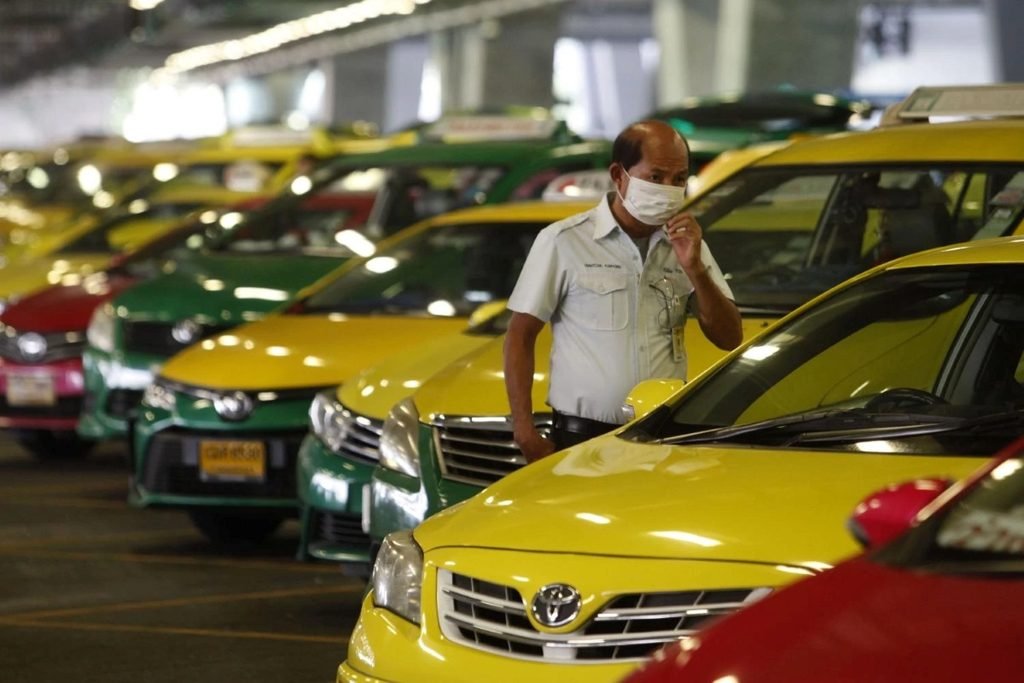
Taxi scams are among the most commonly discussed tourist scams in Vietnam.
Some travelers may encounter unofficial taxis, drivers who do not use the meter correctly, unnecessarily long routes, or unclear pricing.
How to Avoid Taxi Scams in Vietnam
For airport and city transfers, use reputable taxi companies or trusted ride-hailing applications.
Before getting into a taxi, check:
- The company name and logo
- The vehicle identification
- Whether the meter is operating correctly
- The approximate distance and expected fare
For longer journeys, it is often easier to arrange a private transfer with a fixed price in advance.
Source: Thanh Nien Newspaper
2. Airport Transfer Scams
Airports can be confusing when you arrive in a new country, and unofficial drivers may approach travelers offering transportation.
They may claim to represent a hotel or travel company, quote a very high price, or take you to a different location.
How to Avoid Airport Transfer Scams
If you have booked an airport transfer, confirm:
- The driver’s name
- The vehicle details
- The meeting point
- The travel company’s contact number
A pre-arranged transfer with a professional travel company can make your arrival much easier, especially if you are traveling with family, a large group, or luggage.
3. Motorbike Rental Scams
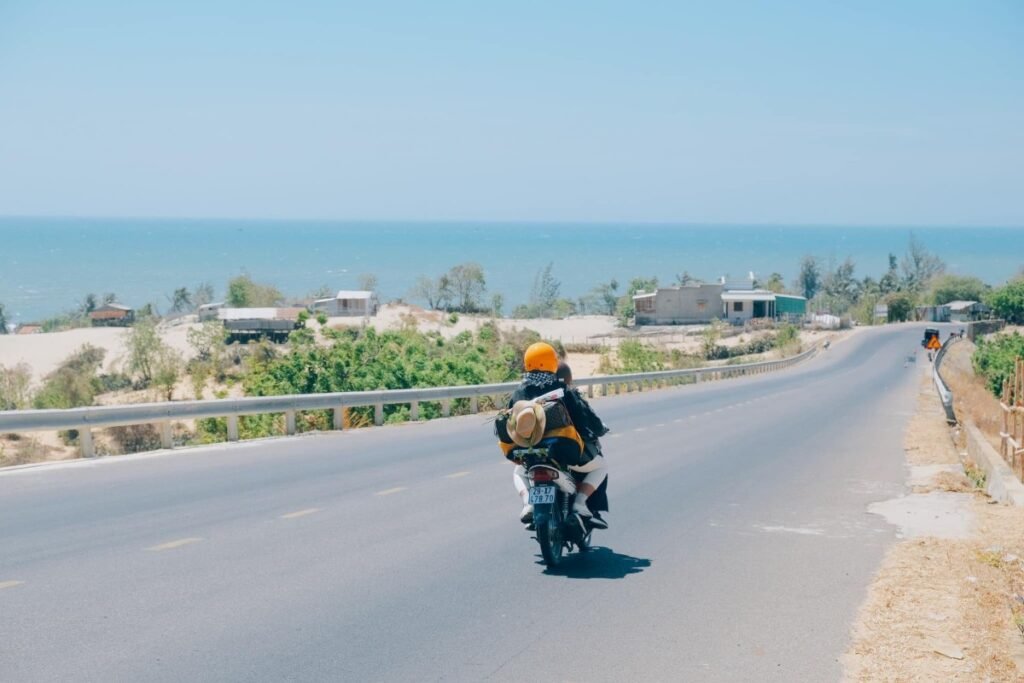
Renting a motorbike can be a great way to explore Vietnam, but travelers should carefully check the rental agreement and condition of the vehicle.
Potential problems include unclear rental prices, unexpected charges for damage, or disputes over deposits.
How to Avoid Motorbike Rental Problems
Before renting:
- Check the motorcycle carefully.
- Take photos or videos of existing scratches and damage.
- Confirm the rental price and deposit.
- Ask about fuel requirements.
- Understand the return conditions.
- Make sure you are legally permitted and properly licensed to ride.
If you are not experienced with motorbikes, consider using a professional driver instead.
Source: Thanh Nien Newspaper
4. Tour Scams and “Too Good to Be True” Deals
You may see extremely cheap tours advertised online or around tourist areas.
A very low price may sometimes mean that important services are excluded, such as:
- Entrance fees
- Meals
- Transportation
- Hotel pickup
- Guide services
- Boat tickets
The advertised price may therefore be much lower than the actual cost of the trip.
How to Avoid Tour Scams in Vietnam
Before booking a tour, always check what is included and excluded.
Ask:
“What exactly is included in the tour price?”
A reliable travel company should provide a clear itinerary, inclusions, exclusions, pickup information, and payment conditions.
5. Restaurant and Menu Scams
Most restaurants in Vietnam are honest and offer excellent food at reasonable prices. However, travelers should still check prices before ordering, particularly at restaurants in busy tourist areas.
Occasionally, a menu may not clearly display prices, or additional dishes may be served without the customer realizing they are chargeable.
How to Avoid Restaurant Scams
Before ordering:
- Check whether prices are clearly displayed.
- Ask about the price of seafood sold by weight.
- Confirm whether side dishes are included.
- Check the bill before paying.
If something on the bill seems unclear, politely ask the staff to explain it.
6. Currency and Money Exchange Scams
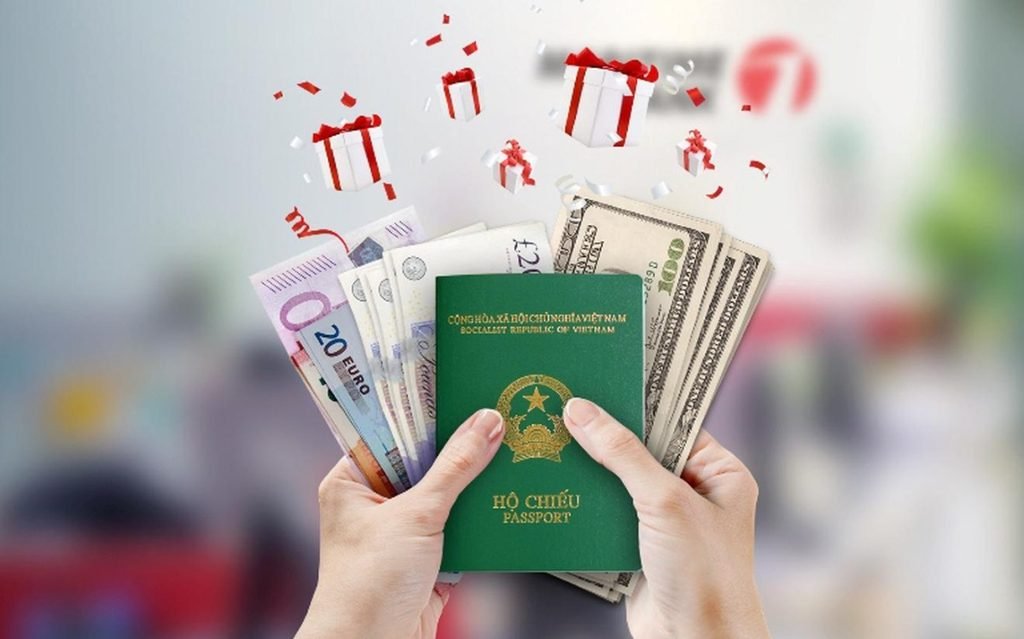
Vietnam uses the Vietnamese Dong (VND), and the large numbers can initially be confusing for visitors.
For example, 100,000 VND means one hundred thousand Vietnamese dong, not one hundred.
Some travelers may accidentally confuse denominations when paying in cash.
How to Avoid Currency Problems
Take a moment to check banknotes before handing over money.
It is also useful to:
- Use a currency conversion app.
- Separate different denominations in your wallet.
- Count your change carefully.
- Exchange money at reputable banks or authorized exchange counters.
Avoid exchanging money with random individuals offering unusually attractive rates.
Source: Vietnam Inspectorate Newspaper
7. Shopping Scams and Overcharging
Markets are an important part of Vietnamese culture and can be fun places to shop for souvenirs, clothing, handicrafts, and local products.
In some tourist markets, however, the initial asking price may be higher than what locals would normally pay.
This is not necessarily a scam — bargaining is part of the shopping culture in many traditional markets.
How to Shop Smart
If you are interested in an item:
- Ask for the price first.
- Compare prices at several stalls.
- Bargain politely where appropriate.
- Make sure you understand the final price before agreeing to buy.
Remember that friendly negotiation is usually more effective than confrontation.
8. Cyclo and Pedicab Price Scams
A cyclo ride can be a charming way to explore certain parts of Vietnam, particularly in historic city centers.
However, travelers should always agree on the price before starting the ride.
How to Avoid Problems
Ask:
“Is this the total price for the ride?”
Make sure both sides understand whether the price is:
- Per person
- Per vehicle
- Per hour
- For the entire journey
Confirming the price in advance can prevent misunderstandings later.
9. Street Photography and Unclear Charges
Vietnam has many colorful streets, markets, festivals, and traditional neighborhoods that are perfect for photography.
In some tourist areas, however, you may encounter people offering photos or posing with animals, traditional costumes, or props and then requesting payment afterward.
How to Avoid Unexpected Charges
If someone offers a service or photo opportunity, ask about the price first.
If you do not want the service, a polite “No, thank you” is usually enough.
10. Hotel Booking Scams
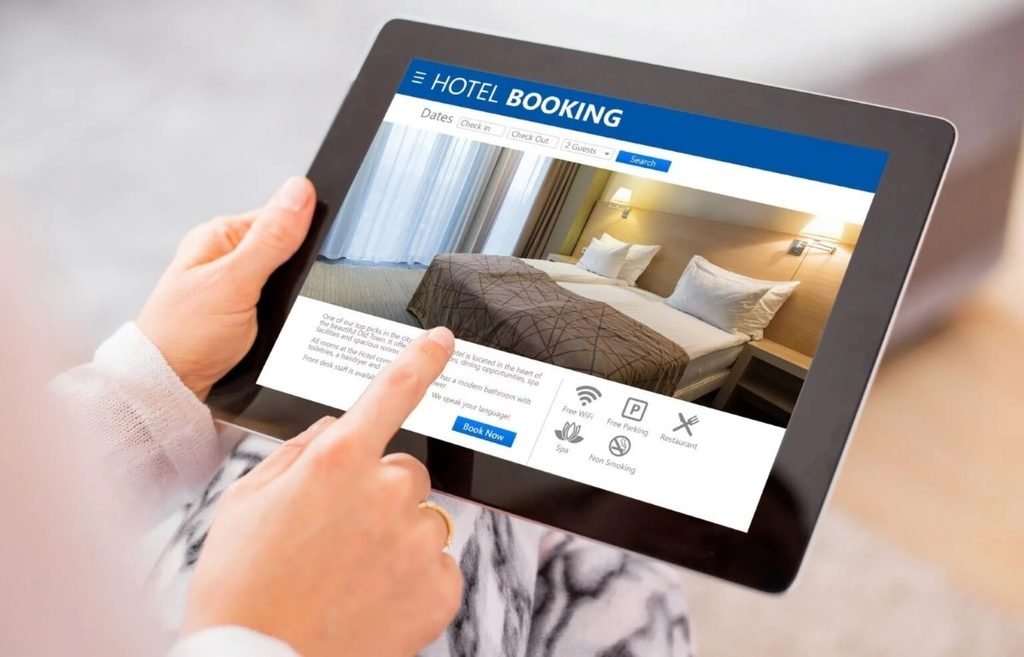
When booking accommodation online, make sure you are using a legitimate hotel website or a reputable booking platform.
Be cautious if someone contacts you unexpectedly asking you to make a payment through a different account or external link.
How to Stay Safe
Before paying:
- Verify the hotel’s official contact details.
- Check the booking confirmation carefully.
- Use secure payment channels.
- Be cautious about unexpected payment requests.
If you have already booked through a reputable platform, contact the platform or hotel directly if anything seems unusual.
Source: Lao Dong Newspaper
11. Fake Tickets and Attraction Fees
Popular attractions may have official entrance fees, while unofficial individuals may sometimes offer tickets or services at inflated prices.
Before paying for entrance tickets, check the official ticket office or the attraction’s official information.
For organized tours, ask your travel agency whether entrance fees are included in the package.
How to Avoid Travel Scams in Vietnam
You do not need to be overly worried about scams when traveling in Vietnam. A few simple habits can significantly reduce the risk of problems.
1. Research Before You Travel
Learn basic information about prices, transportation, attractions, and local customs before your trip.
2. Confirm Prices in Advance
Whether you are taking a taxi, renting a motorbike, joining a tour, or taking a cyclo ride, clarify the price beforehand.
3. Use Reputable Companies
Choose established hotels, transportation providers, tour operators, and booking platforms.
4. Keep Your Valuables Secure
Keep your phone, wallet, passport, and other valuables in a secure place, especially in crowded areas.
5. Do Not Rush
If someone pressures you to make an immediate decision or payment, take a moment to check the information first.
6. Trust Your Instincts
If something feels suspicious or the offer seems too good to be true, it is perfectly acceptable to walk away.
What to Do If You Encounter a Scam
If you believe you have been overcharged or misled, stay calm.
First, try to resolve the situation politely. Keep any receipts, booking confirmations, messages, or other evidence that may help explain what happened.
If you lose your passport, money, or other important belongings, contact the relevant authorities, your hotel, travel company, or your country’s embassy or consulate for assistance.
For serious incidents, seek official help rather than trying to resolve the situation through confrontation.
Is Vietnam Safe for Tourists?
Yes. Vietnam is generally considered a welcoming destination for international travelers.
Tourist scams are not unique to Vietnam and can happen in many countries around the world.
The presence of occasional tourist scams should not discourage you from visiting Vietnam. With sensible precautions, most travelers enjoy their trips without significant problems.
Vietnam offers an enormous variety of experiences – from Hanoi’s historic streets and Halong Bay cruises to the ancient town of Hoi An, the beaches of Central Vietnam, and the waterways of the Mekong Delta.
Travel with Confidence in Vietnam
The best way to avoid travel scams in Vietnam is not to be suspicious of everyone, but to be informed, confirm prices, and choose reliable services.
If you are booking a Vietnam tour, working with an experienced local travel company can also make your journey easier. A professional local operator can arrange transportation, accommodation, guides, entrance tickets, and activities in advance, reducing the need to negotiate with unfamiliar providers during your trip.
At Sinh Tourist, we specialize in Vietnam and Indochina travel and can help travelers arrange reliable services and tailor-made itineraries based on their interests and travel plans.

