

 Blog
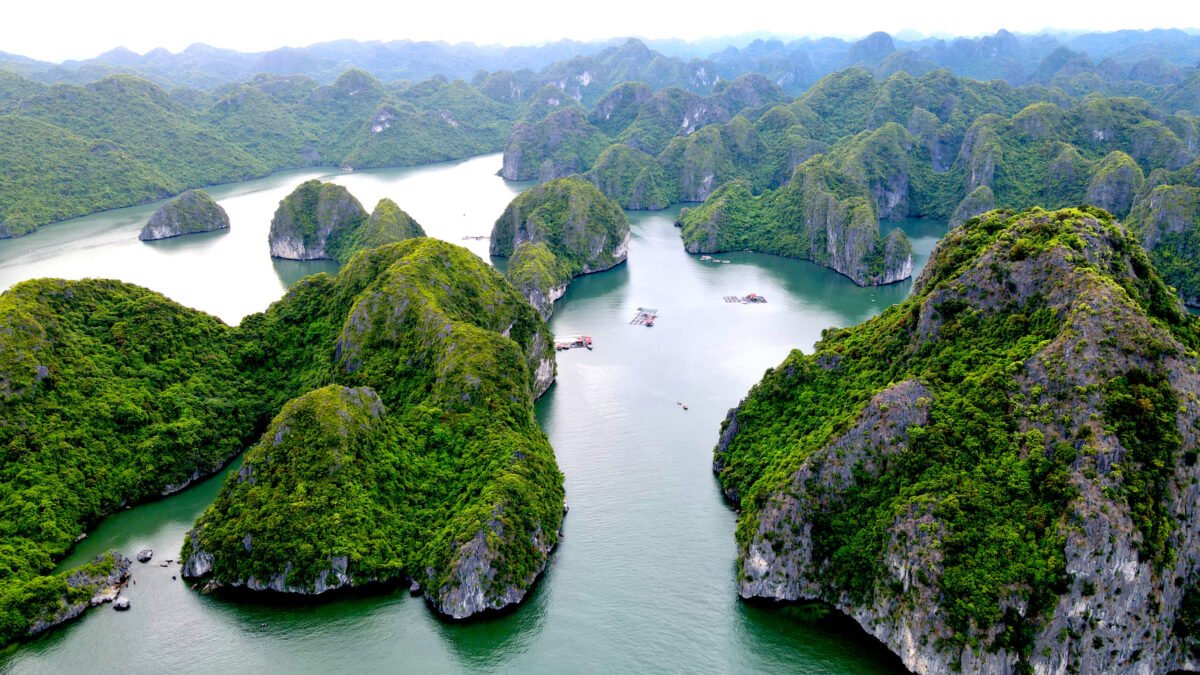
BlogTucked away among the towering limestone karsts of Bai Tu Long Bay, Vung Vieng Fishing Village is one of the few remaining floating communities that has preserved its traditional lifestyle within the UNESCO-listed waters of Ha Long Bay. Also known as Vung Vieng Floating Village, this serene settlement offers travelers a rare opportunity to witness a way of life shaped entirely by the sea.
Unlike more commercialized areas of Ha Long Bay, Vung Vieng remains calm and unspoiled. Floating houses drift quietly on emerald waters, and daily activities unfold at a gentle pace. The village’s peaceful atmosphere allows visitors to fully appreciate the natural balance between people, mountains, and the surrounding ocean.
Where Is Vung Vieng Fishing Village Located?
Vung Vieng Fishing Village is situated in Bai Tu Long Bay, Quang Ninh Province, approximately 20–25 kilometers northeast of Tuan Chau Marina. Due to its offshore location, the village can only be reached by boat.
From the harbor, visitors usually spend around 30–40 minutes traveling by cruise or small boat. The journey itself is a highlight, passing through narrow waterways framed by dramatic limestone formations before arriving at the floating village.
History and Background of Vung Vieng Floating Village
The origins of Vung Vieng Fishing Village date back to the 19th century, when fishing families settled in this naturally sheltered bay to avoid rough seas and seasonal storms. Over time, generations of residents developed a livelihood centered on fishing and aquaculture, closely following tidal movements and weather patterns.
According to local folklore, the name “Vung Vieng” comes from the clanging sound of pot lids as fishermen prepared meals on their boats. The name gradually became associated with the village’s simple, resilient, and sea-dependent lifestyle.
A Unique Floating Living Environment
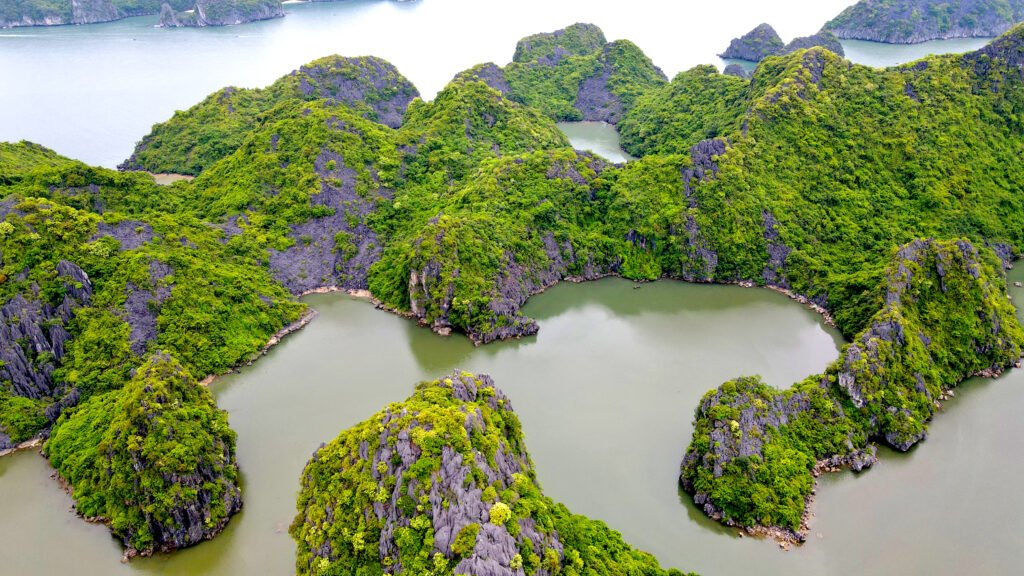
What makes Vung Vieng Fishing Village truly distinctive is its isolation from modern urban life. Colorful floating homes rest gently on calm, green waters, surrounded by steep limestone cliffs that create a protected lagoon.
The bay’s glassy surface reflects clouds, karst peaks, and wooden houses, producing picture-perfect scenes often seen in iconic photos of Vung Vieng. Early mornings are often wrapped in mist, while afternoons glow with soft sunlight, enhancing the village’s timeless charm.
Things to Do in Vung Vieng Fishing Village
Visiting Vung Vieng is less about ticking off attractions and more about embracing a slower pace of travel. The activities here offer meaningful ways to connect with both nature and local culture.
Bamboo Boat Rides
A traditional bamboo boat ride, rowed by local villagers, is one of the most memorable experiences. From close to the water’s surface, visitors can observe floating fish farms, oyster cages, and everyday life on the bay. The slow movement allows for intimate views that larger boats cannot provide.
Kayaking Through the Village
Kayaking offers a more active way to explore the surrounding waterways and lagoons. Paddling beneath towering limestone cliffs gives travelers a fresh perspective of the landscape and is especially appealing to nature lovers and photographers.
Exploring Hang Cao Cave
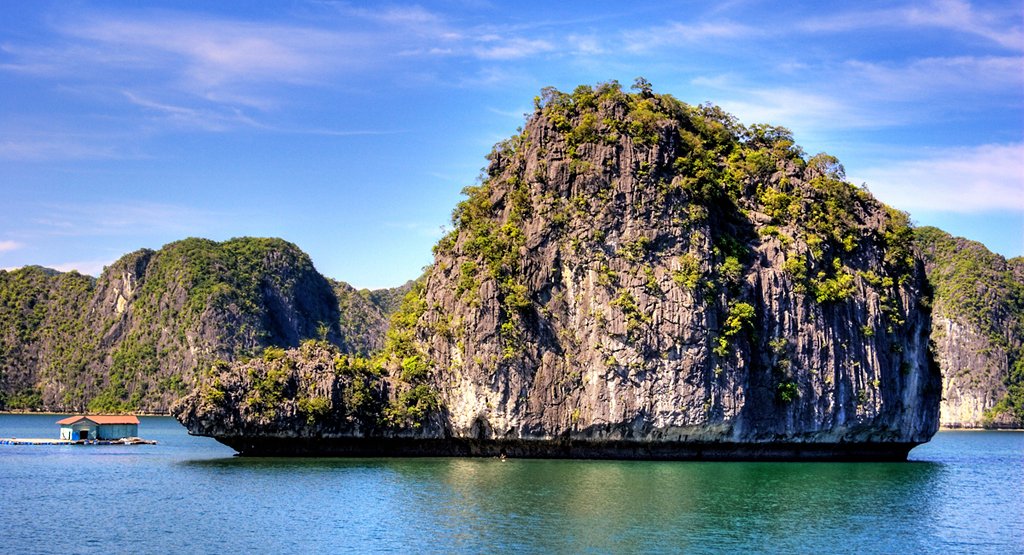
Hang Cao Cave is often considered the natural gateway to Vung Vieng Floating Village. Boats pass through the dim interior of the cave, beneath high stone arches, where shifting light creates a sense of mystery before opening onto the calm waters of the village.
Learning About Local Fishermen’s Lives
Some guided tours include visits to floating homes, where residents share insights into traditional fishing methods, aquaculture practices, and how their way of life has evolved over generations. These interactions offer a deeper understanding of the cultural heritage and sustainability of Vung Vieng Fishing Village.
Tour Costs and Travel Expenses
Most visitors explore Vung Vieng Fishing Village as part of organized tours to Ha Long Bay or Bai Tu Long Bay.
- Day tours: typically range from 500,000 to 1,500,000 VND per person, including boat transfers, lunch, and sightseeing activities
- Overnight cruises: usually cost between 2,000,000 and 5,000,000 VND per person per night, covering accommodation, meals, and extended exploration
- Personal expenses: allow an additional 200,000–500,000 VND for souvenirs or optional activities
Prices may vary depending on season, holidays, and tour operator policies, so it is advisable to confirm details in advance.
Best Time to Visit Vung Vieng Fishing Village
The ideal time to visit is from April to June, when the sea is generally calm and weather conditions are suitable for boating and kayaking. Another pleasant period is from September to October, offering cooler temperatures and fewer visitors—perfect for enjoying the village’s tranquil atmosphere.
Practical Travel Tips
- Respect local regulations by avoiding littering and minimizing disturbance to daily village life
- Always wear life jackets during water-based activities and follow crew instructions
- Choose lightweight, breathable clothing suitable for warm and humid weather
- Bring essentials such as sunscreen, insect repellent, and motion sickness medication
- Prepare a camera, power bank, hat, and sunglasses to capture memorable moments
Final Impressions
Amid the lively surroundings of Ha Long Bay, Vung Vieng Fishing Village stands out as a quiet retreat where traditional floating life continues much as it has for generations. This is a destination best suited for travelers who value slow travel, peaceful scenery, and authentic cultural experiences.
For those seeking to explore beyond the usual Ha Long Bay routes, Vung Vieng Floating Fishing Village is a rewarding choice. For updated itineraries, seasonal information, and personalized travel advice, you may contact Sinhtourist for consultation and booking support. A journey to Vung Vieng is one of gentle discovery—where nature, culture, and time flow together in harmony.


