

 Blog
BlogExploring Ninh Binh Through the Seasons
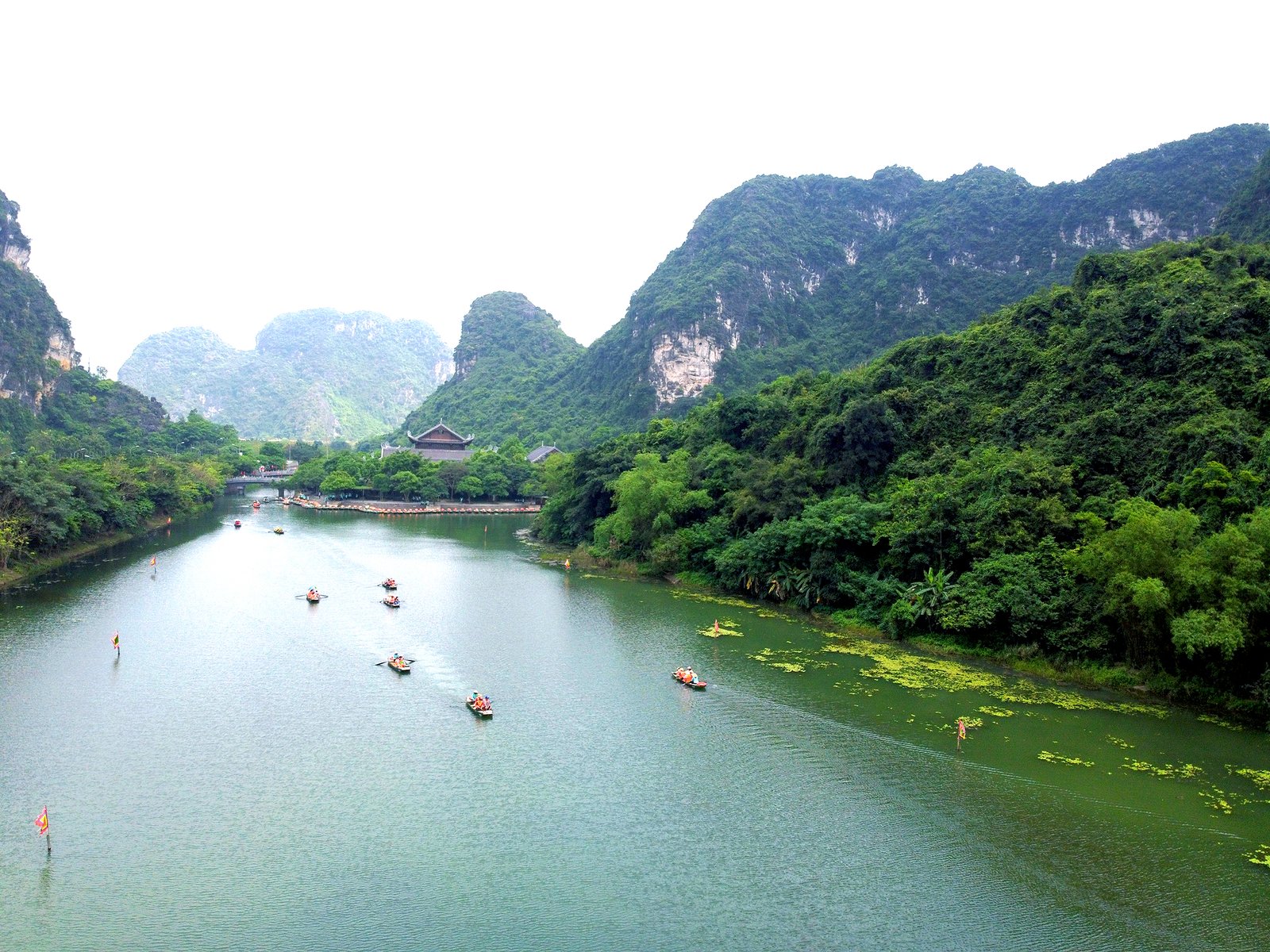
Often referred to as the “inland Ha Long Bay,” Ninh Binh is a place where dramatic limestone cliffs, emerald waterways, ancient temples, and sweeping rice fields blend into a picture-perfect landscape. What makes Ninh Binh particularly captivating is how each season reveals a different mood and texture of the region. From lush renewal in spring to mystical fog in winter, the area transforms throughout the year, offering distinct experiences for every type of traveler. Understanding these natural rhythms will help you choose the best time to explore this magical destination.
Spring (March – April): A Fresh Beginning
Spring ushers in a gentle sense of rebirth. Temperatures range comfortably from 20°C to 28°C, and the first showers of the year bring just enough moisture to awaken the landscape.
As plants begin to sprout and trees cover themselves in fresh foliage, the scenery becomes exceptionally vibrant. The rivers swell slightly, creating smoother currents ideal for boat rides. Gliding through Tam Coc or Trang An at this time feels like entering a world painted in shades of new green, with crisp air and soft sunlight adding to the tranquility.
Spring is also one of the most culturally significant seasons. Bai Dinh Pagoda and other spiritual landmarks host festivals that draw pilgrims from across the country. Participating in these celebrations provides a chance to witness living traditions, from ritual ceremonies to lively gatherings filled with incense, chanting, and prayer.
Tip: The weather can shift quickly. Keep a lightweight jacket and umbrella with you for cooler mornings and occasional rain.
Summer (May – August): Bright, Lively, and Full of Energy
Summer in Ninh Binh is known for its heat and humidity — temperatures can exceed 33°C — but it’s also the time when nature is at its fullest. Afternoon rains are common but usually pass quickly, leaving the air fresher and the scenery more vivid.
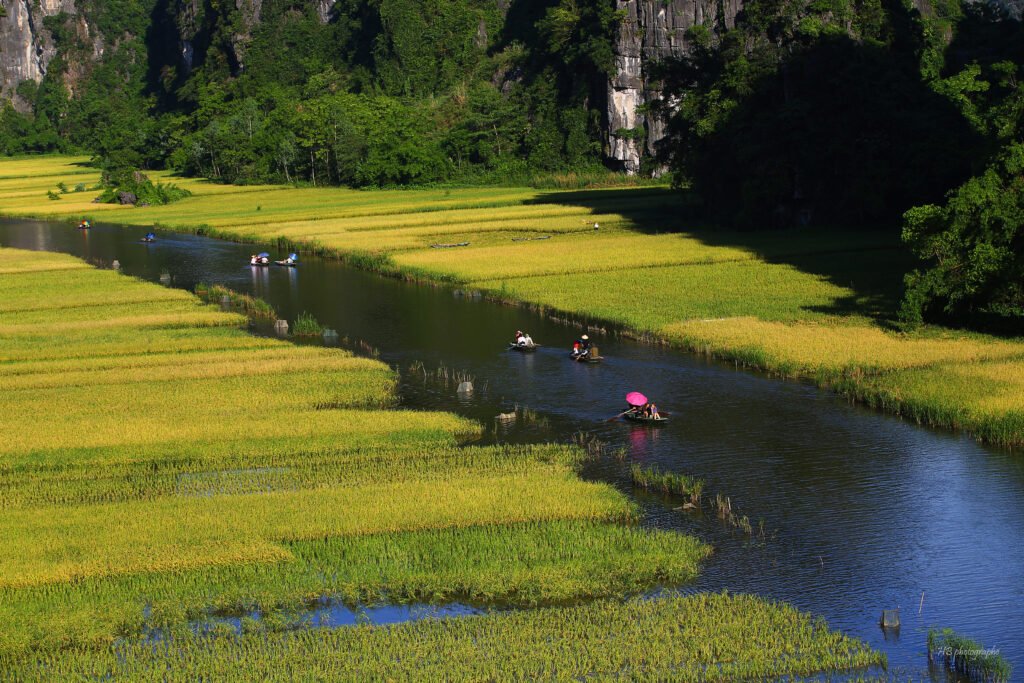
One of the biggest highlights of summer is the rice harvest in Tam Coc and along the Ngo Dong River. During June and July, brilliant gold fields line the waterways, contrasting beautifully with the deep green mountains. As you drift along the river, you’ll see farmers cutting rice by hand, carrying bundles across paddies, and working in harmony with the land — a rare and beautiful view of rural Vietnamese life.
The post-rain atmosphere creates astonishing clarity. Mountains seem sharper, reflections in the water brighter, and sunsets more dramatic.
Tip: Because of the midday heat, plan your activities early in the morning or late in the afternoon. Sunscreen, water, and a hat are must-haves.
Autumn (September – November): Gentle Light and Perfect Weather
Autumn is often considered the jewel of Ninh Binh’s calendar. Temperatures cool down to around 25°C, and humidity drops, making outdoor exploration incredibly comfortable.
The light during autumn is particularly magical — soft, golden, and slightly diffused. This luminous glow enhances everything: the stillness of the rivers, the rugged cliffs, the quaint villages, and the serene temple grounds. Photographers especially love this season, as sunrise and sunset bathe the limestone mountains in warm colors that seem almost unreal.
This season is ideal for cycling along quiet village roads, hiking up Hang Mua for panoramic views, or exploring the ancient capital of Hoa Lu. With fewer crowds than in summer, the atmosphere feels peaceful and intimate, allowing you to fully absorb the charm of the countryside.
Tip: For perfect photos, aim to reach outdoor viewpoints early in the morning or just before sunset. Comfortable shoes are essential for climbing and exploring.

Winter (December – February): Quiet and Dreamy
Winter brings a unique softness to Ninh Binh. Temperatures drop to 12°C–20°C, and mist often settles over the rivers and mountains at dawn.
Though the landscape is less colorful than in other seasons, winter highlights the region’s poetic beauty. The mist wraps the limestone peaks in an ethereal veil, giving the scenery a mysterious, almost cinematic feel. With fewer tourists in the area, winter travel promises peace and solitude — perfect for those who prefer introspection or photography with an atmospheric twist.
Hiking during this season is particularly enjoyable because of the cool air, and boat rides feel calm and meditative under the soft winter light.
Tip: Pack warm layers, especially if you plan to visit early in the morning when the mist is most enchanting but temperatures are cooler.
Choosing the Ideal Time to Visit
Each season in Ninh Binh offers a unique charm:
- Spring: Fresh scenery, spiritual festivals, and a sense of renewal.
- Summer: Peak vibrancy with golden rice fields and lush green mountains.
- Autumn: The most comfortable weather and incredibly photogenic light.
- Winter: Serene landscapes with magical morning mist.
For the best balance of weather, scenery, and crowd levels, the most recommended periods are late March to early May and September to November. These months offer clear skies, manageable temperatures, and ideal conditions for both sightseeing and photography.
Final Thoughts
Ninh Binh is one of those destinations that feels different each time you visit. Its seasonal changes aren’t just visual — they shape the mood, the pace, and the overall experience of being there. Whether you’re cruising through rice fields, hiking up limestone peaks, exploring ancient temples, or simply sitting by the river watching the world drift by, Ninh Binh has a way of leaving lasting impressions.
No matter when you choose to explore it, this region will greet you with a beauty that is timeless, natural, and deeply moving.


