

 Blog
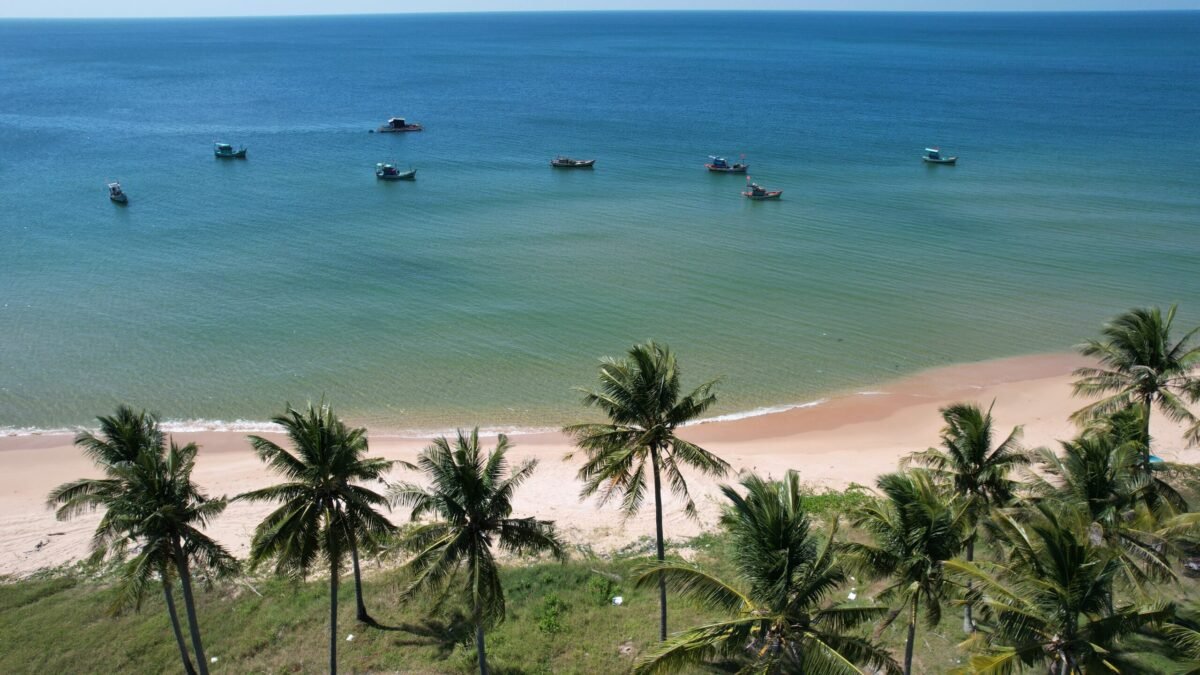
BlogOff the southern coast of Vietnam, Phu Quoc is one of the country’s most attractive island escapes. It is famous for its long stretches of soft sand, clear blue water, tropical forests, and a laid-back atmosphere. While the island is enjoyable year-round, the overall experience changes quite a lot depending on the season. Weather, sea conditions, crowd levels, and travel costs all shift throughout the year, so choosing the right time to go can make a big difference.
Phu Quoc has a fairly simple tropical climate with two main seasons: a dry season and a rainy season, plus short transitional periods in between. Each phase offers a different version of the island, so it helps to understand them before planning your trip.
Dry Season (November to April): The Most Favorable Period
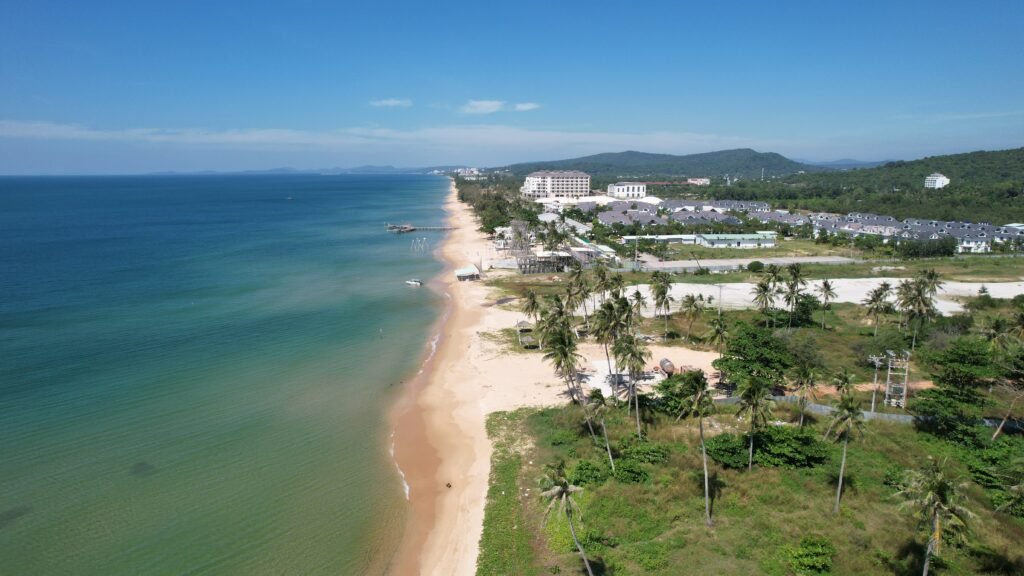
The dry months are generally regarded as the best time to explore Phu Quoc. Weather during this period is typically sunny, warm, and stable, with very little rainfall. The sea is calm and clear, making it ideal for swimming and water activities.
This is when the island looks its most vibrant. Beaches are bright and inviting, and conditions are perfect for outdoor adventures such as snorkeling, boat trips, and island-hopping tours. Most travel plans run smoothly because weather disruptions are rare.
From December through February, Phu Quoc reaches its busiest tourist phase. Visitors from both Vietnam and abroad arrive in large numbers, drawn by the reliable weather. Popular beaches, resorts, and night markets become lively and energetic. The downside is that accommodation prices rise and many places get crowded, so early booking is usually necessary.
As March and April arrive, temperatures climb slightly, but rainfall is still minimal. Tourist numbers start to ease, creating a more relaxed atmosphere while still offering good beach conditions.
Overall, the dry season is ideal for first-time visitors and anyone who prioritizes sunshine, calm seas, and uninterrupted outdoor activities.
Rainy Season (May to October): A Tranquil and Lush Experience
During the rainy months, Phu Quoc takes on a very different character. Showers are more frequent, humidity increases, and the sea can sometimes become rough. However, rain often comes in short bursts rather than lasting all day, leaving plenty of time for clear or cloudy breaks.
Despite being less popular with tourists, this period has its own charm. The island becomes greener and more vibrant, with forests and countryside areas looking especially fresh after rainfall. The natural scenery feels more alive and rejuvenated.
One of the biggest advantages of traveling in this season is the quiet atmosphere. Visitor numbers drop significantly, so beaches and attractions feel far less crowded. This makes it appealing for travelers who prefer privacy and a slower pace.
Costs are also much lower. Hotels and resorts frequently reduce prices, including luxury stays that are expensive during peak season. This makes it a good option for budget-conscious travelers.
The main drawback is unpredictability. Boat tours, diving trips, and island-hopping excursions may be affected by weather conditions. Flexibility is important when planning activities.
Still, the rainy season is a great choice for those interested in relaxation, spa treatments, cultural exploration, or simply enjoying peaceful time in nature.
Transition Periods (April–May and October–November): A Balanced Option
Between the two main seasons are short transitional months that combine features of both weather patterns. These periods are often overlooked but can offer some of the most balanced travel conditions.
Late April and May mark the shift from dry to rainy season. The weather is still mostly sunny, though occasional showers begin to appear. Sea conditions remain relatively calm, and tourist numbers begin to decline, making popular spots more comfortable to visit.
In October and early November, the rainy season starts to fade. Rain becomes less frequent, skies gradually clear, and the island begins returning to more stable weather. Nature also feels refreshed after months of rainfall.
These months are ideal for travelers who want a mix of decent weather, fewer crowds, and more affordable prices. However, conditions are less predictable compared to the peak dry season.
How Weather Impacts Activities
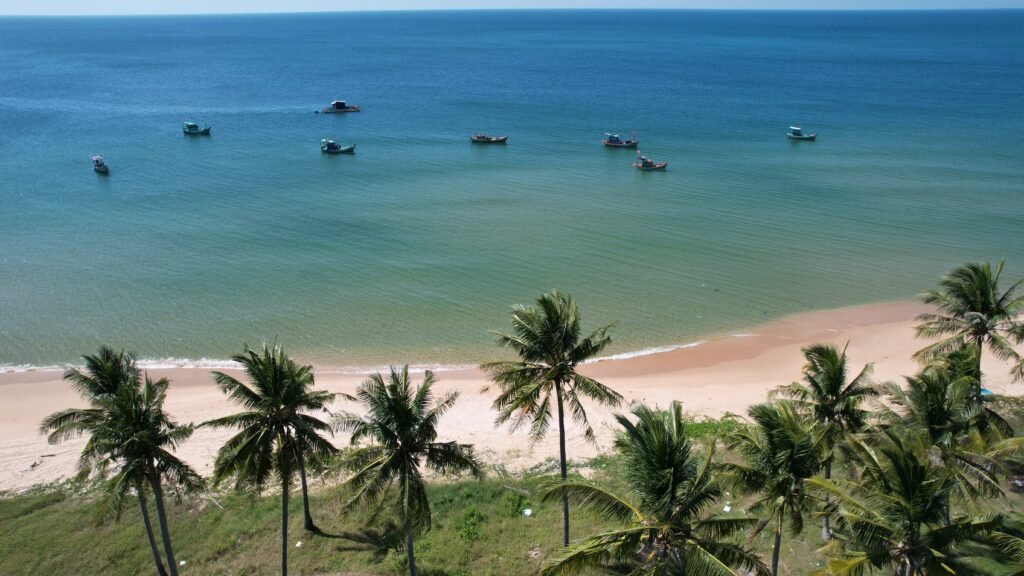
The timing of your visit directly influences what you can do on the island. During the dry season, almost all outdoor activities operate smoothly. Swimming, diving, snorkeling, boat tours, and island-hopping trips are widely available with minimal disruption.
In the rainy season, water-based activities can be limited due to wind or rough seas. Some tours may be delayed or canceled. However, land-based experiences such as visiting local markets, pepper farms, or fishing villages remain unaffected.
When the weather is unfavorable, indoor activities become more appealing. Spa treatments, cooking classes, cafés, and cultural visits offer good alternatives on rainy days.
Crowd Levels and Travel Atmosphere
Tourism intensity is another key factor when deciding when to visit Phu Quoc. The dry season, especially during major holidays like Christmas or Lunar New Year, brings large crowds. The island feels energetic, with busy beaches and lively entertainment areas.
This can be exciting for travelers who enjoy vibrant destinations, but it may feel overwhelming for those seeking calm surroundings.
In contrast, the rainy season is much quieter. Many areas feel peaceful, beaches are less crowded, and it is easier to find space in restaurants and attractions.
The transitional months sit in between, offering a more moderate and balanced atmosphere.
Choosing the Best Time Based on Travel Style
The ideal time to visit depends on your preferences:
If you want perfect beach weather and full activity options, the dry season (especially December to March) is the best choice.
If you prefer lower costs, fewer tourists, and a peaceful environment, the rainy season (May to October) may suit you better.
If you want a balance of decent weather and fewer crowds, the shoulder months—April, May, October, and November—are worth considering.
Final Thoughts
There is no single “perfect” time to visit Phu Quoc, as each season reveals a different side of the island. The dry season offers bright skies and energetic beach life, the rainy season brings quiet greenery and lower prices, while the transitional months provide a middle ground.
Ultimately, the best time to go depends on whether you value sunshine, budget, crowd levels, or a peaceful atmosphere. Whatever the season, Phu Quoc remains one of Vietnam’s most rewarding island destinations, offering natural beauty, warm waters, and a relaxed tropical lifestyle all year round.


